
Guided by a long-held dream to contribute to agricultural development in Africa, Sue (Shu-Wei) Chow, a Master’s student at the University of Hohenheim, took her research beyond the classroom. Her journey combined academic rigor with real-world experiences in the field — turning ambition into action. Read her story below!
My journey began with a long-held dream: to conduct agricultural research and work as an agricultural advisor in Africa. This dream led me to the CANALLS project, where I had the opportunity to conduct my master’s thesis in Rwanda, focusing on how agricultural advisory services support agroecology transition.
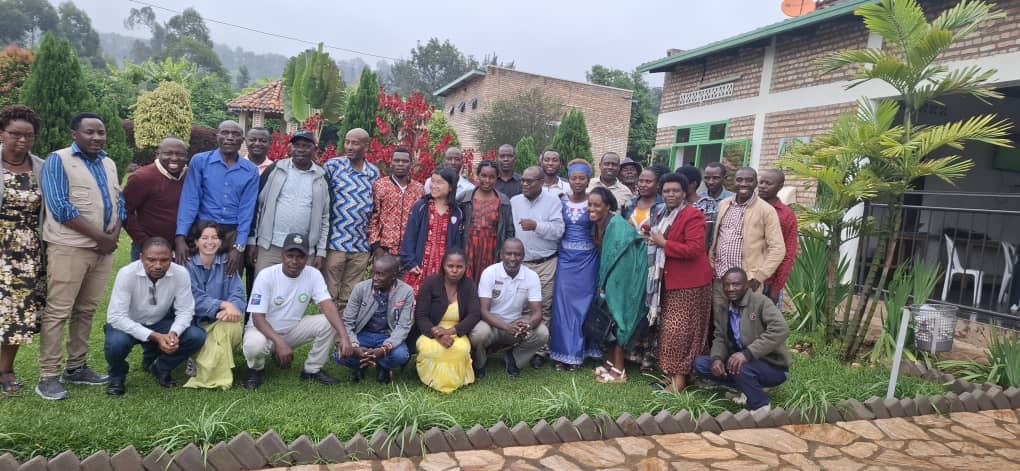
My thesis, "Analysis of Agricultural Advisory Services Methods to Drive Agroecological Transition in Rwanda," explored the strengths and limitations of current advisory methods and proposed practical strategies to bridge existing gaps. Advisory methods fostering agroecology transition should value information exchange through farmer groups, on-farm demonstrations, digital tools, and individual farm visits. I also found that farmer participation is critical and advisory content for agroecology should be co-created with farmers at the center. Moreover, empowering peer-to-peer learning and integrating digital tools can make the advisory process more contextualized, inclusive, and demand-driven.
What struck me most during focus group discussions was farmers’ strong motivation to adopt agroecological practices and their openness to learning. Their enthusiasm inspired me deeply and reinforced my motivation to continuing work in this field.
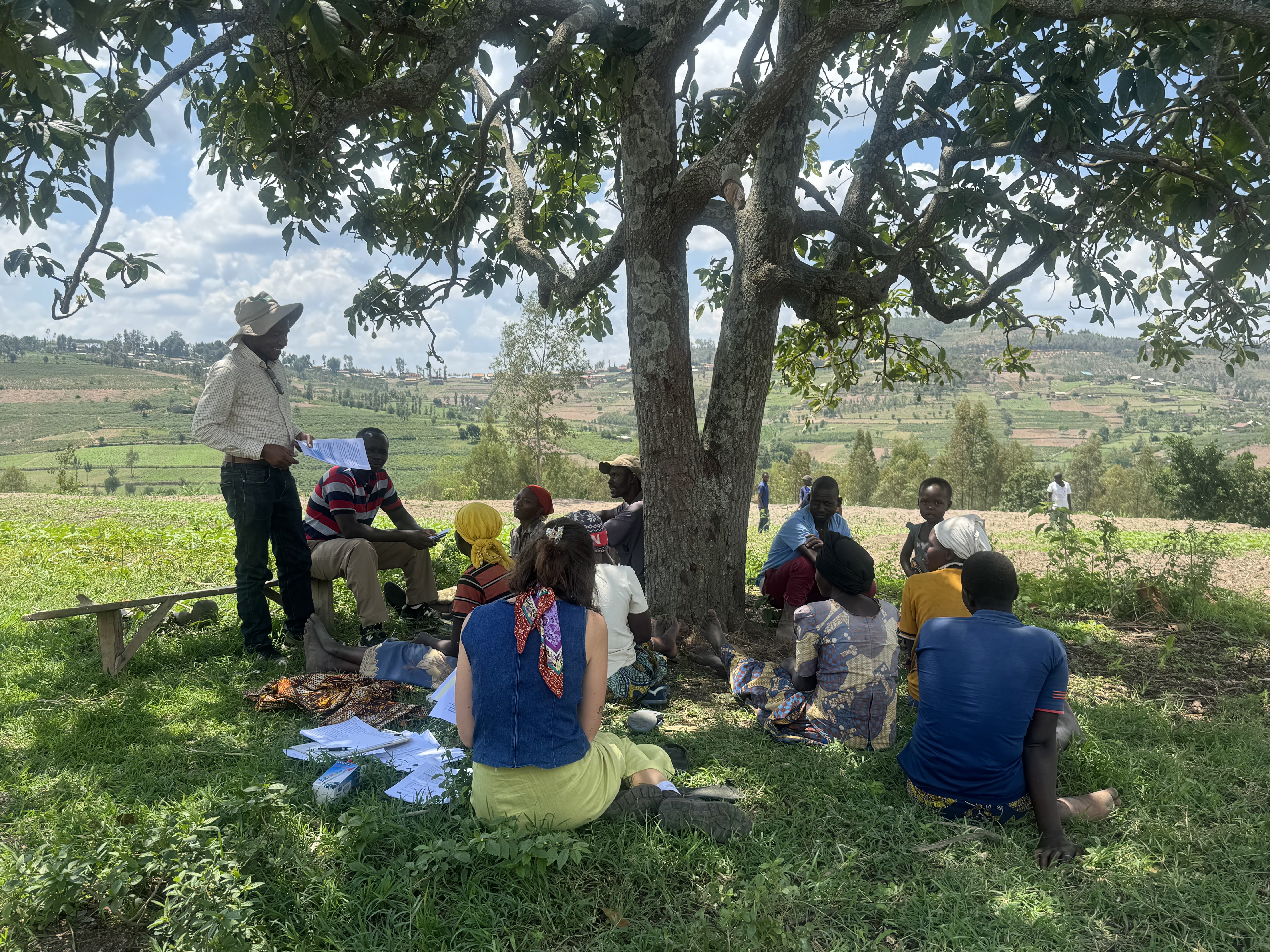
I stayed in Kigali for 3 months and traveled frequently to Kamonyi to visit farmers and advisors. We worked together with IITA and RAB, who provided us great support to organize and moderate focus group discussions with farmers. We also had the chance to co-moderate workshops of the CANALLS project, including assessing the value adding potential of agroecological produced cassava and evaluating farmers’ agroecology adoption potential. Traveling to the field with project team members was one of the best memories throughout my stay in Rwanda; I always had nice talks with team members and shared perspectives of agriculture in Taiwan.
I also traveled to the field to visit advisor alone, which is for sure the most unforgettable memory. Each visit was an adventure since I was always unsure where the advisor’s office is exactly, but always met incredibly nice people that helped me tell the moto driver where they should bring me to. The working scheme between Rwandan project members and us and gave us great flexibility to explore the country ourselves and embrace the kindness of Rwandans.
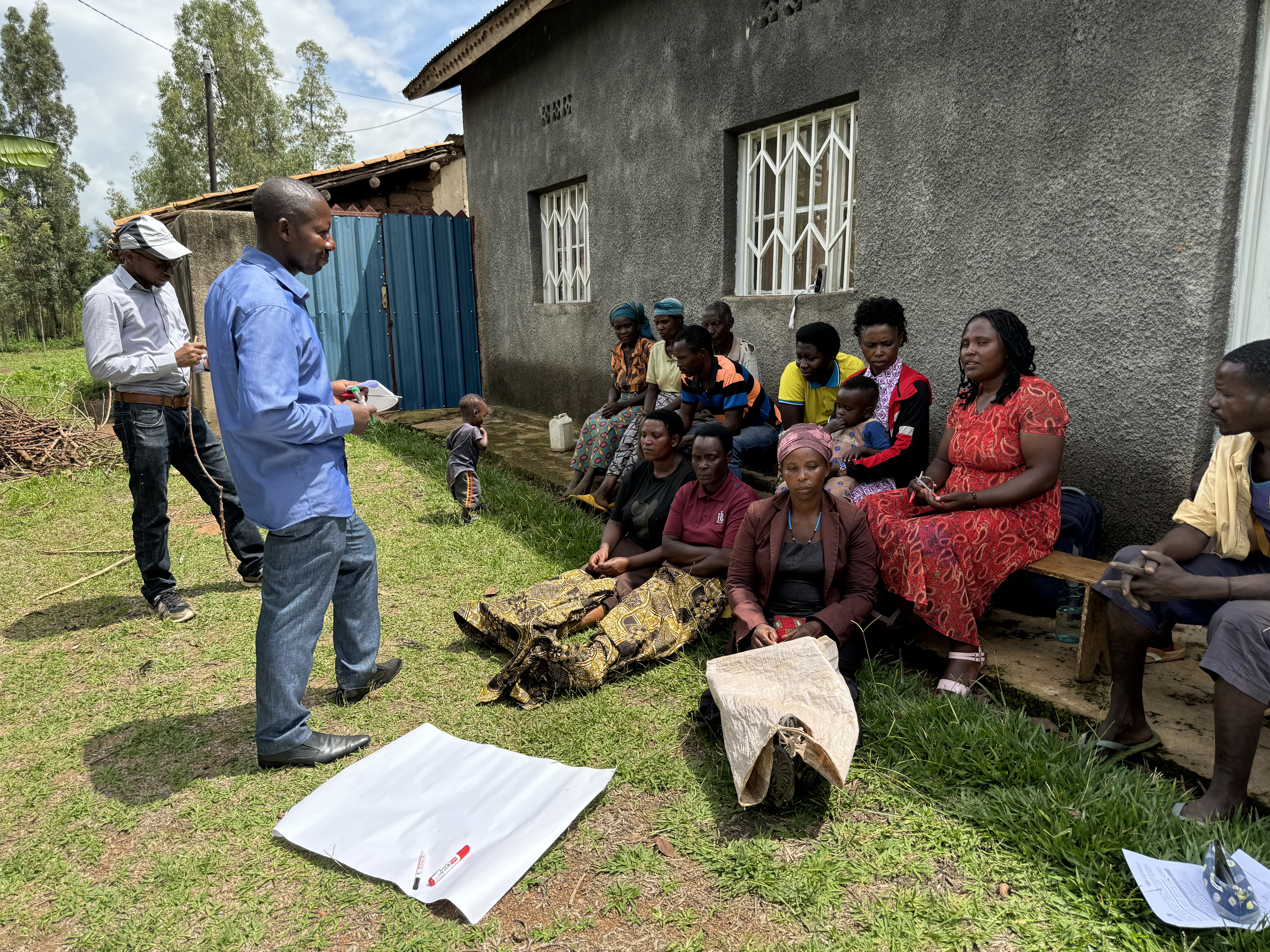
I am very grateful for the opportunity to do my thesis research with the Department of Communication and Advisory services in Rural Areas at University of Hohenheim, the CANALLS project, Rwanda Agriculture and Animal Resources Development Board (RAB), International Institute of Tropical Agriculture (IITA). CANALLS project and the 430a Department at University of Hohenheim not only fulfilled my dream to do agricultural research in Africa, but also allowed me to embark a research career, which I am very grateful for. Thank you for all of your support; together, we promote agroecology transition in Rwanda.