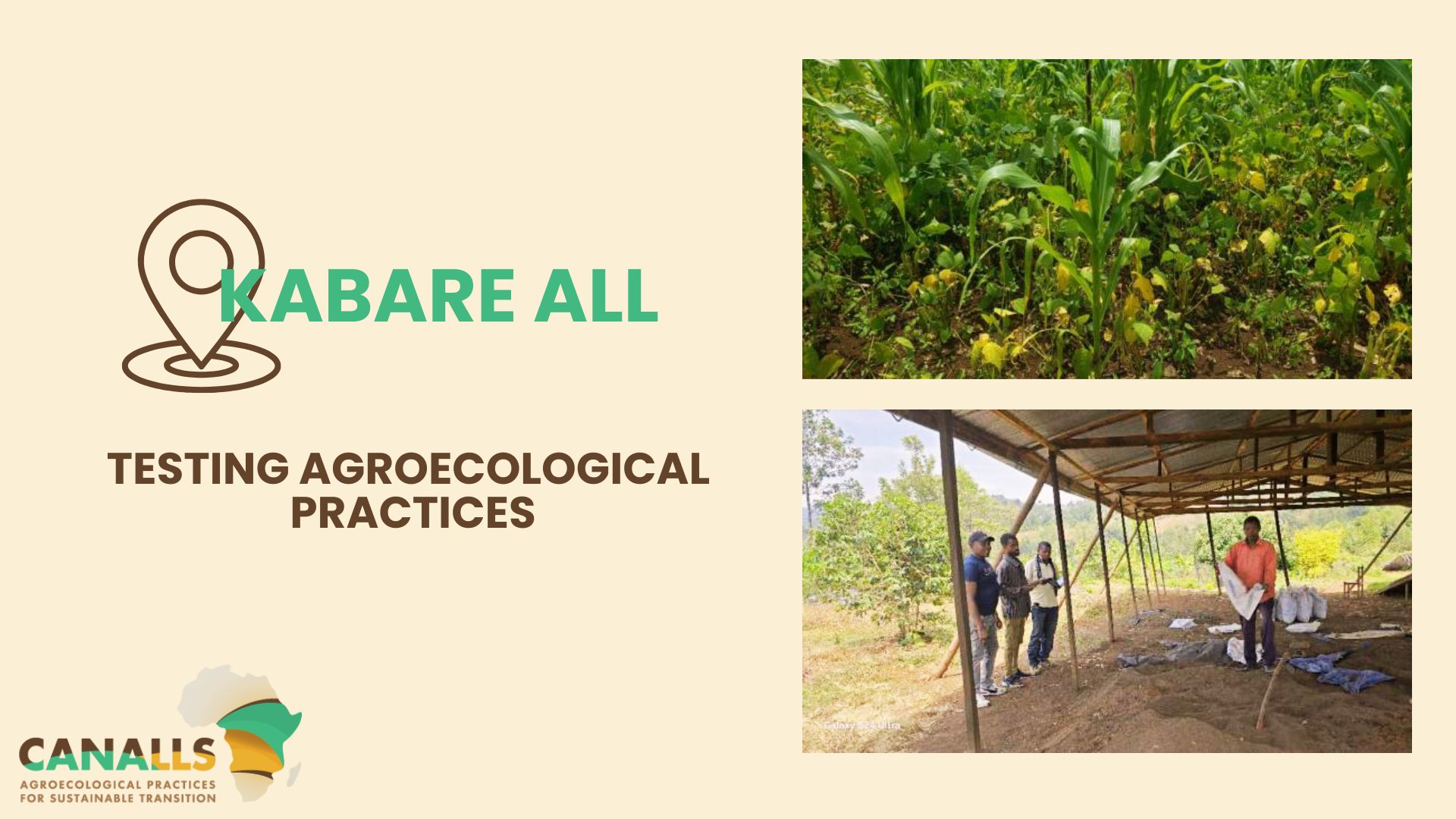
In the highlands of South Kivu in eastern Democratic Republic of the Congo, farmers face challenges such as steep slopes, soil erosion, and increasingly unpredictable rainfall, which affect agricultural productivity. In this context, the Kabare Agroecological Living Laboratory (Kabare ALL) is emerging as a space for collaboration, experimentation, and practical innovation.
Bringing together farmers, researchers, and development partners, Kabare ALL creates an environment where solutions are not imposed but co-developed. Farmers are not just participants—they are actively involved in testing and refining practices that respond to local conditions.
Learning by Doing: Testing Agroecological Practices
Across the Living Lab, farmers are experimenting with agroecological approaches that combine composting, mulching, cover crops, and agroforestry. Local tree species such as Calliandra and Grevillea are integrated into farms, helping to improve soil health and strengthen resilience.
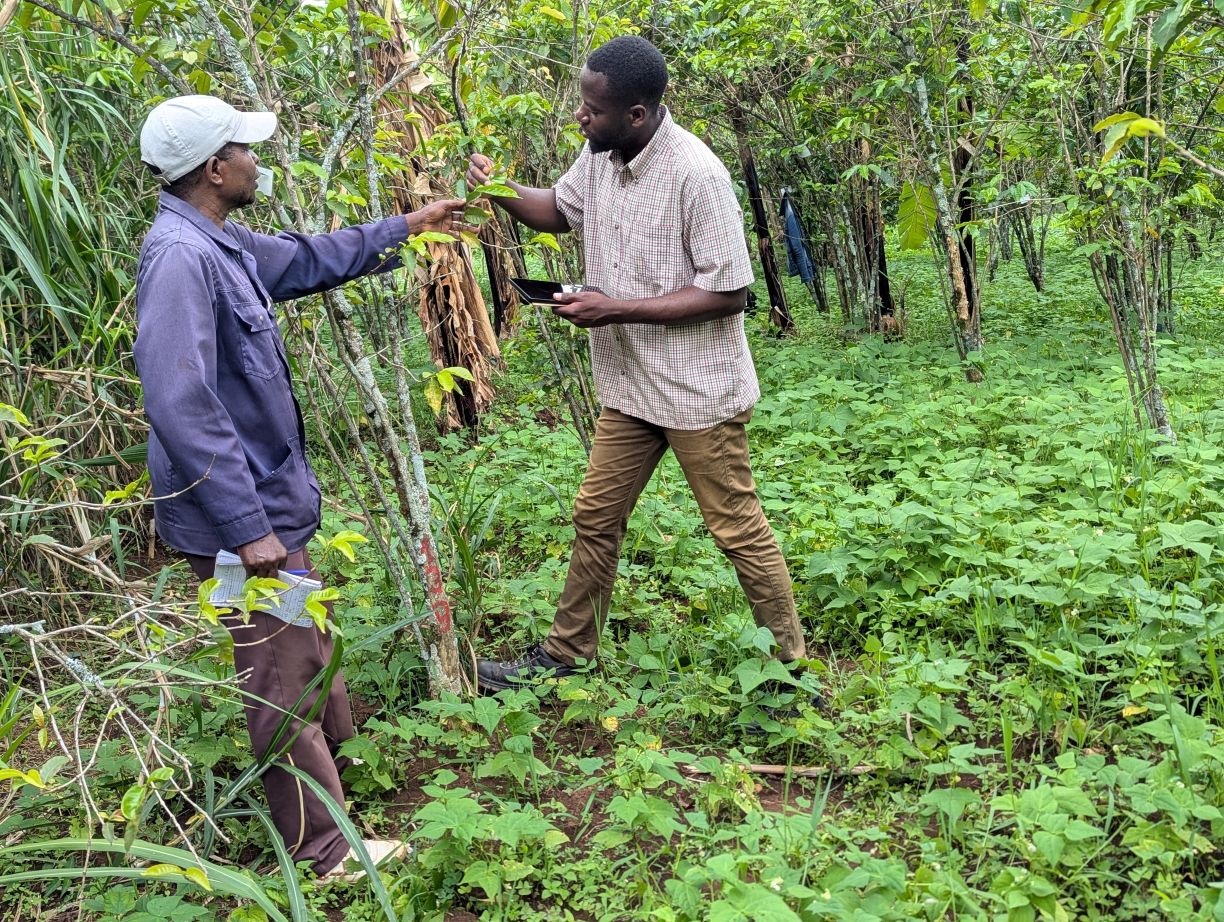
Participatory approaches are central to the work of Kabare ALL. Through field trials, farmers can directly compare conventional practices with improved methods. This hands-on process allows them to observe results under real conditions and adapt techniques to their own land.
The results are already visible. Farmers report that plots treated with compost and mulch show better maize growth and higher yields, even during seasons with irregular rainfall. Organic compost, in particular, has proven effective in improving soil structure and water retention—key benefits in the erosion-prone landscapes of Kabare.
At the same time, the process is not without challenges. Access to sufficient organic materials and effective pest management remain important areas for continued experimentation and learning.
Building Knowledge, Strengthening Communities
Beyond the fields, Kabare ALL is also about collaboration among people. Farmers work closely with local organisations and technical experts from institutions such as IITA, UCB, and AGDD. Together, they identify challenges, share knowledge, and develop solutions adapted to the local context.
Workshops and exchange visits provide opportunities for peer learning, while ensuring that women and young people are actively included in the process. The Living Lab functions as a space where knowledge is exchanged between farmers, researchers, and communities.
This collaborative approach was highlighted during a community open day held in October, which brought together more than 50 farmers, extension workers, and researchers. Participants shared experiences, discussed lessons learned, and explored ways to further improve sustainable land management practices.
Looking ahead, Kabare ALL aims to strengthen data collection, involve more farmers, and build stronger links to local markets. These efforts are intended to ensure that agroecological practices not only support environmental sustainability but also contribute to improved livelihoods.
The Kabare Agroecological Living Laboratory illustrates how locally driven collaboration and experimentation can support the transition towards more sustainable and climate-resilient agriculture in eastern DR Congo.