Across the humid tropical regions of Central and Eastern Africa, farmers face increasing challenges in protecting crops from pests and diseases while maintaining environmental sustainability. Coffee growers, in particular, are confronted with insect infestations and fungal diseases that threaten both yields and livelihoods. Within the CANALLS project, an innovative locally produced biopesticide is demonstrating how endogenous agricultural knowledge can contribute to more resilient and sustainable farming systems.
A Living Laboratory for Agroecological Innovation
CANALLS Living Labs bring together farmers, researchers, community organizations and other stakeholders. One of these Living Labs is located in the BIEGA region of South Kivu, Democratic Republic of Congo, an agro-ecological site which stands on volcanic soils with rich biodiversity and a strong coffee-growing tradition. Here, local communities are working collaboratively to share relevant knowledge and to develop practical solutions that strengthen food systems while minimizing the use of external agricultural inputs.
Addressing Coffee Farmers' Challenges
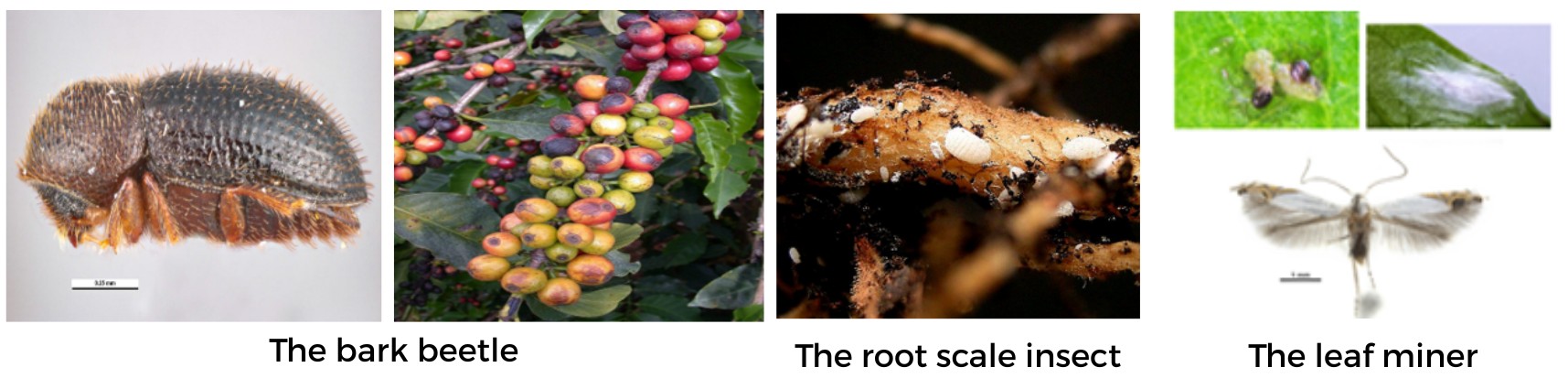
Coffee production in the region is threatened by several pests and diseases, including bark beetles, root scale insects, leaf miners and coffee leaf rust. These challenges threaten coffee productivity and affect the quality of harvests. For many smallholder farmers, access to commercial pesticides is limited by high cost, availability and concerns about environmental and health negative impacts. This has motivated the search on broader alternative approaches looking to affordability, effectiveness and accessibility.
Turning Local Resources into Crop Protection Solutions
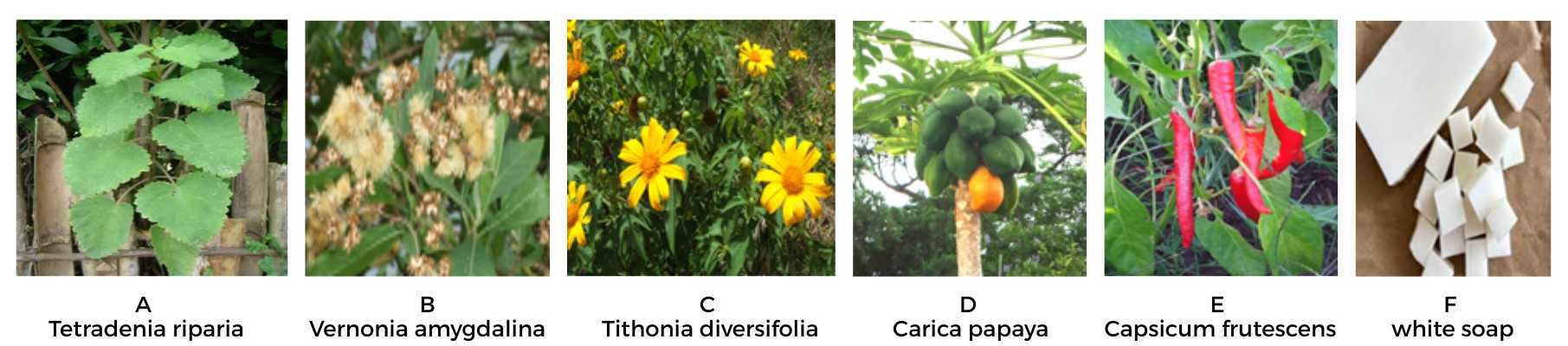
Supported by the farmers' organization APDIK, local knowledge holders and researchers collaborated to develop BIOPEST-BMK, a biopesticide produced from plant materials that are embedded in local biodiversity. The formulation combines ingredients from traditional farming knowledge with practical field experience. Therefore, it relies on locally sourced plants known for their protective properties, together with natural ingredients that help the solution adhere to crop surfaces. Rather than depending on synthetic chemicals, the biopesticide harnesses naturally occurring compounds that help deter insects and suppress crop diseases.
BIOPEST-BMK combines several locally available plant species traditionally used by farmers, including Vernonia amygdalina, Tetradenia riparia, papaya and Tithonia diversifolia. These plant species each contain active compounds that help to combat insects and crop diseases, acting as asphyxiants (A, E), appetite suppressants (B, C), irritants (D, A), or natural antifungals (A, C, E).
Promising Results in the Field
Field observations and trials conducted within the project have produced encouraging results. According to the technical data collected by project partners, the biopesticide demonstrated strong effectiveness against arthropod pests and significant activity against fungal diseases. Importantly, no adverse effects were observed among users or on crop quality during the trials. Beyond coffee production, the product has been disseminated and, also shown potential for use in vegetable cultivation, fruit tree management and nursery production systems.
Supporting Agroecological Transitions
The development of BIOPEST-BMK illustrates a key principle of agroecology: building on local resources and local knowledge to create sustainable solutions. By reducing dependence on chemical pesticides, farmers can lower production costs, minimize environmental risks and contribute to healthier agricultural ecosystems. At the same time, such innovations strengthen local capacities and encourage farmer-led experimentation and learning, which are central objectives of the CANALLS Living Lab approach.
Looking Ahead
As climate change, biodiversity loss and agricultural sustainability continue to shape the future of farming, locally adapted innovations such as BIOPEST-BMK demonstrate the value of combining scientific collaboration with traditional knowledge.
Through the CANALLS project, farmers, researchers and local organizations are showing that effective crop protection does not always require expensive external inputs. Sometimes, the most promising solutions can be found within local ecosystems and communities themselves. This experience warns on protecting biodiversity and valuable ecosystem services for the people in need.