
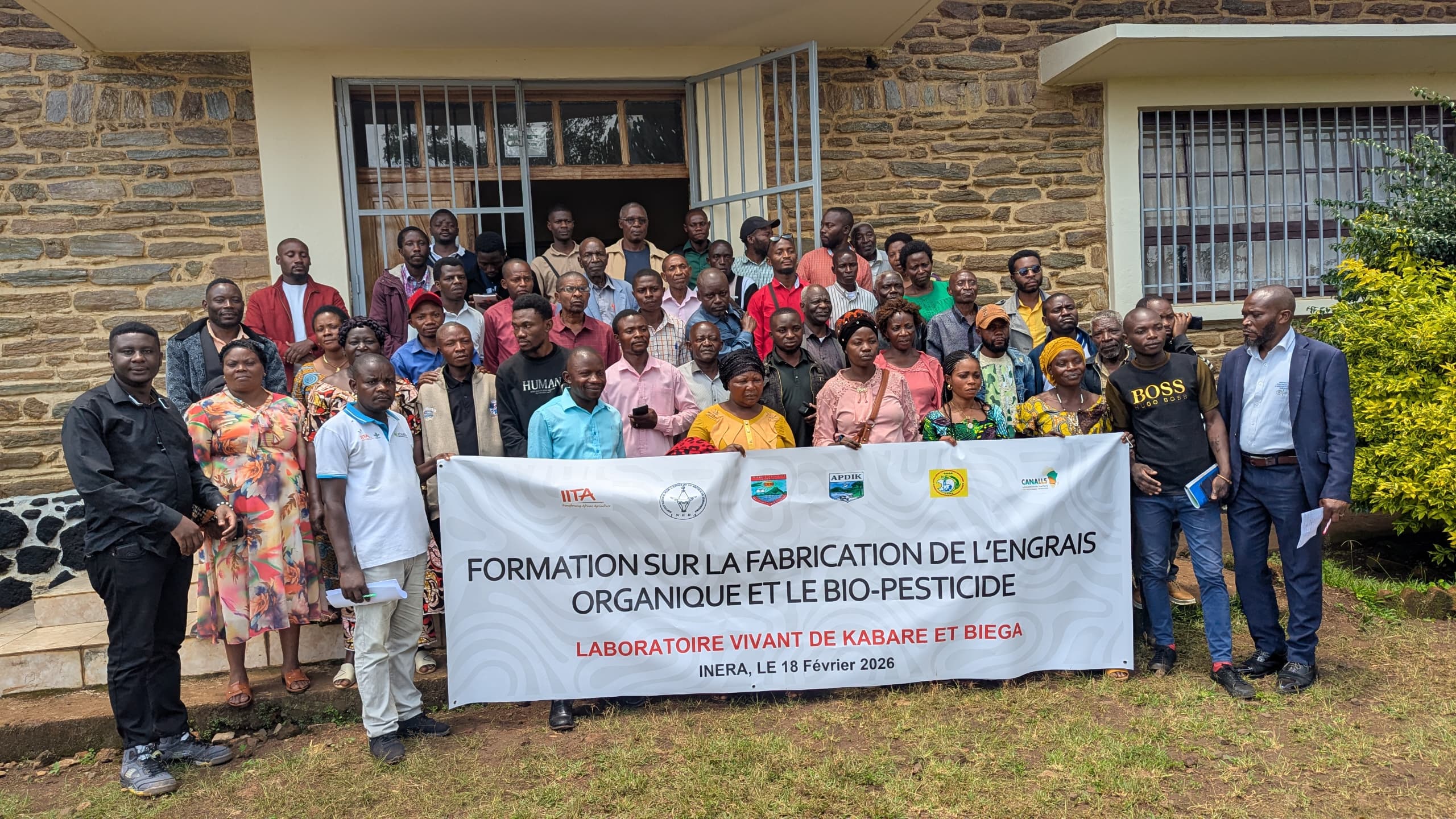
On 18 February 2026, a training session took place at INERA Mulungu under the CANALLS project, bringing together a diverse group of stakeholders to explore practical agroecological solutions tailored to local needs.
The training focused on strengthening participants’ capacities in the production of biopesticides and compost, with the aim of encouraging the use of sustainable, locally sourced inputs. A total of 60 participants (16 women and 44 men) attended, including coffee producers, farmers’ organisations, agricultural cooperatives, representatives from government institutions, civil society organisations, NGOs, as well as actors from the research and media sectors.
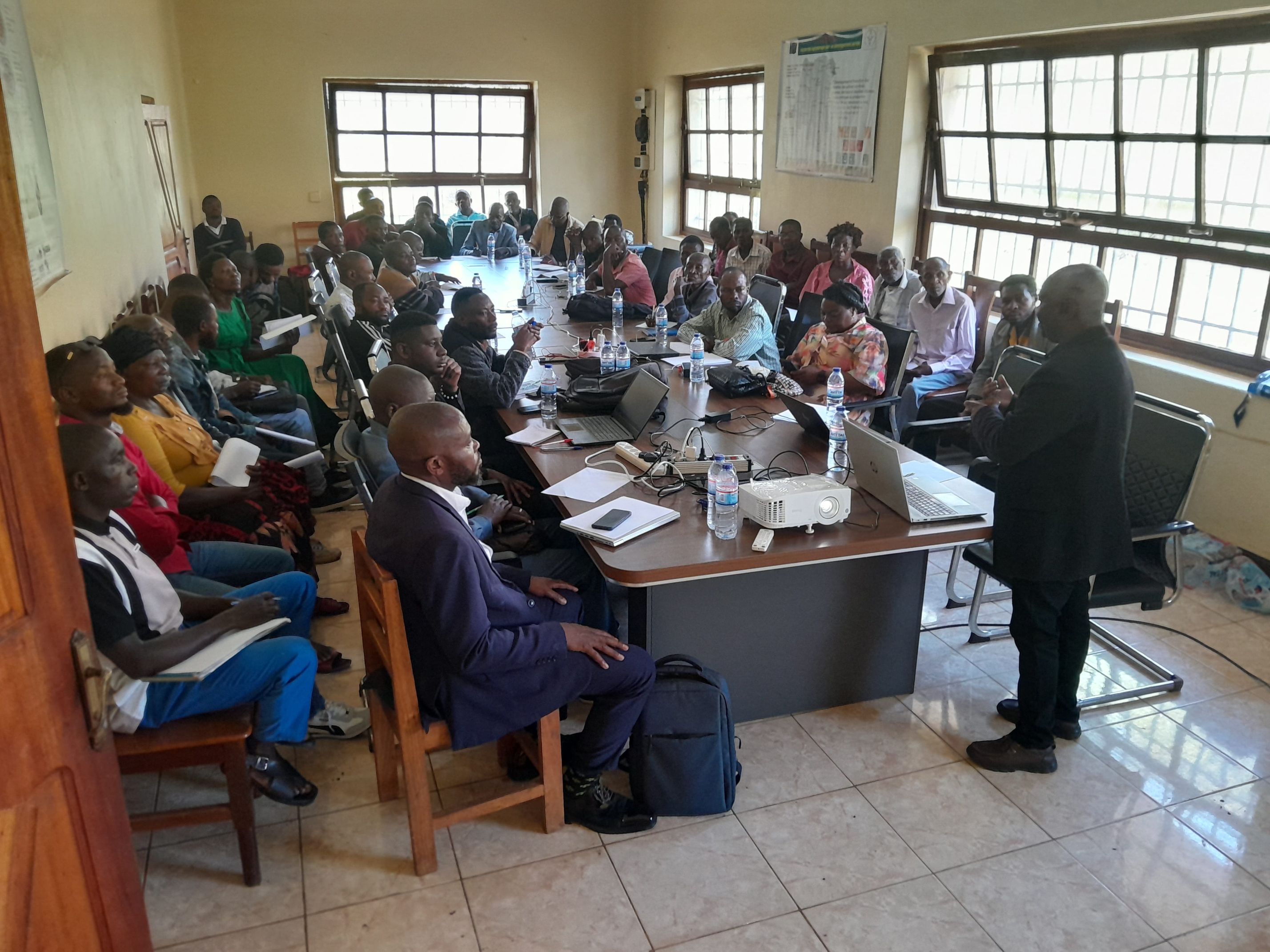
Designed as an interactive learning experience, the session combined short theoretical inputs with hands-on demonstrations and open discussions. This participatory approach allowed participants to actively engage with the techniques and reflect on how they could be applied in their own farming systems.
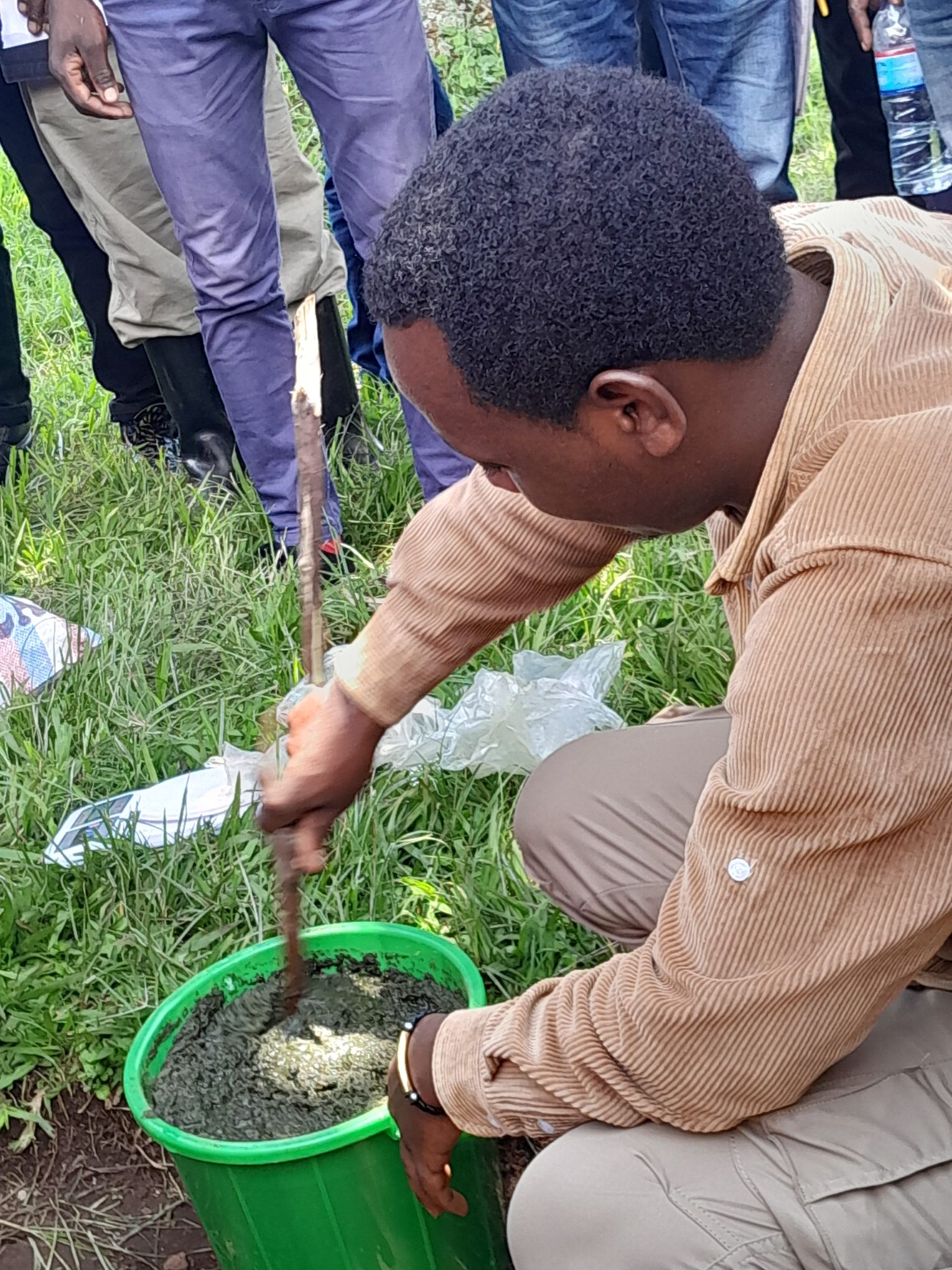
A key part of the training focused on addressing major pests and diseases affecting coffee in the Biega Living Lab, such as anthracnose, thrips, coffee rust, and the coffee bark beetle. Participants were guided step by step through the preparation of biopesticides using locally available plants—from identifying and collecting raw materials to drying, measuring, mixing, and maceration. Special attention was given to accessible plant species including Vernonia amygdalina, Tetradenia riparia, Tithonia diversifolia, Carica papaya, and Capsicum annuum.
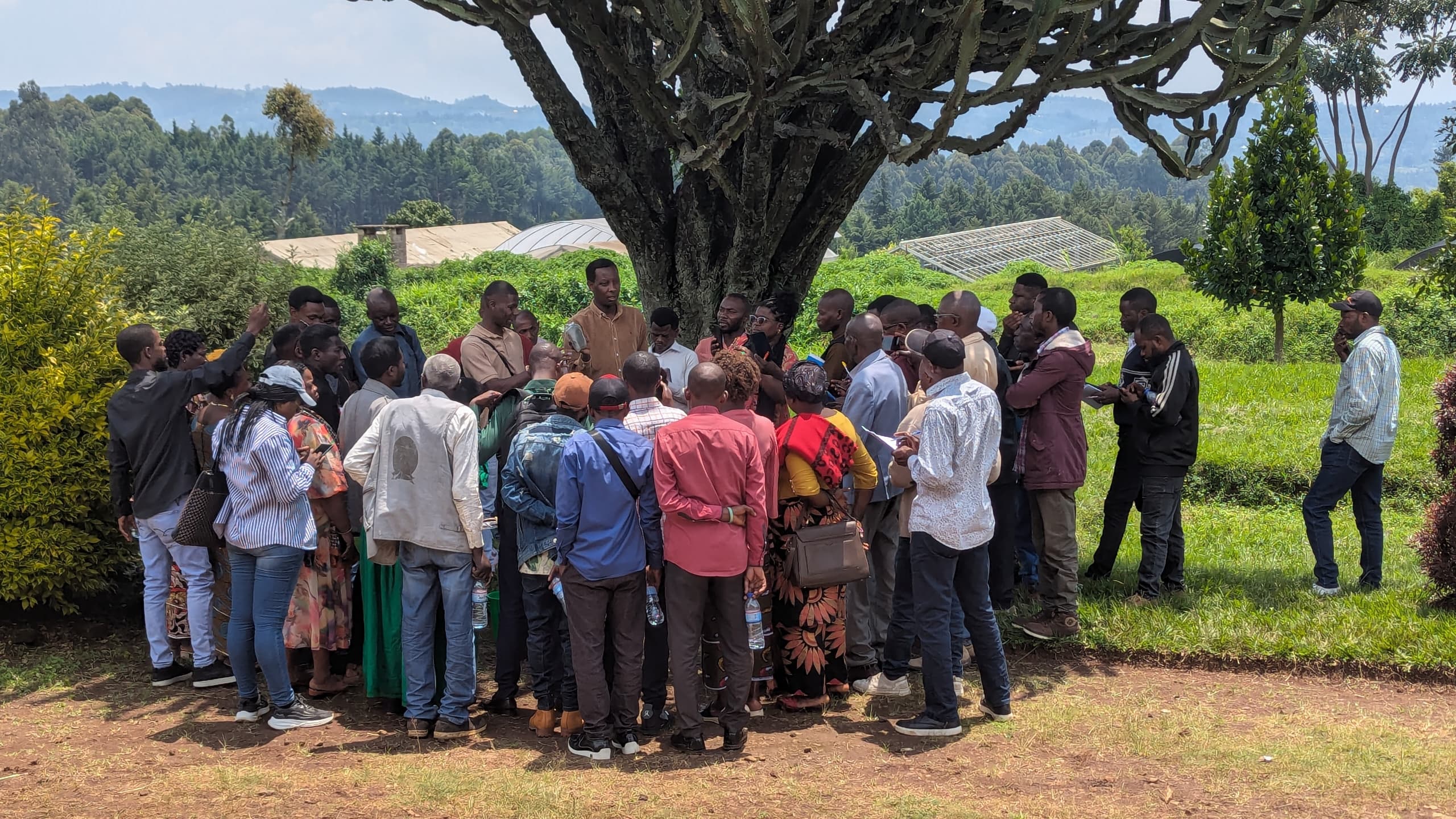
The session also introduced compost production techniques using organic waste. Participants learned about essential steps such as sorting materials, building and layering compost piles, maintaining adequate moisture, turning for aeration, and sieving the final product. These practices not only improve soil fertility but also promote the efficient use of locally available resources within a circular economy approach.
Overall, the training contributed to strengthening technical knowledge and building confidence among participants to adopt agroecological practices. By promoting practical, low-cost, and locally adapted solutions, the activity supports reduced dependence on chemical inputs and advances the agroecological transition in the Biega and Kabare Living Labs.