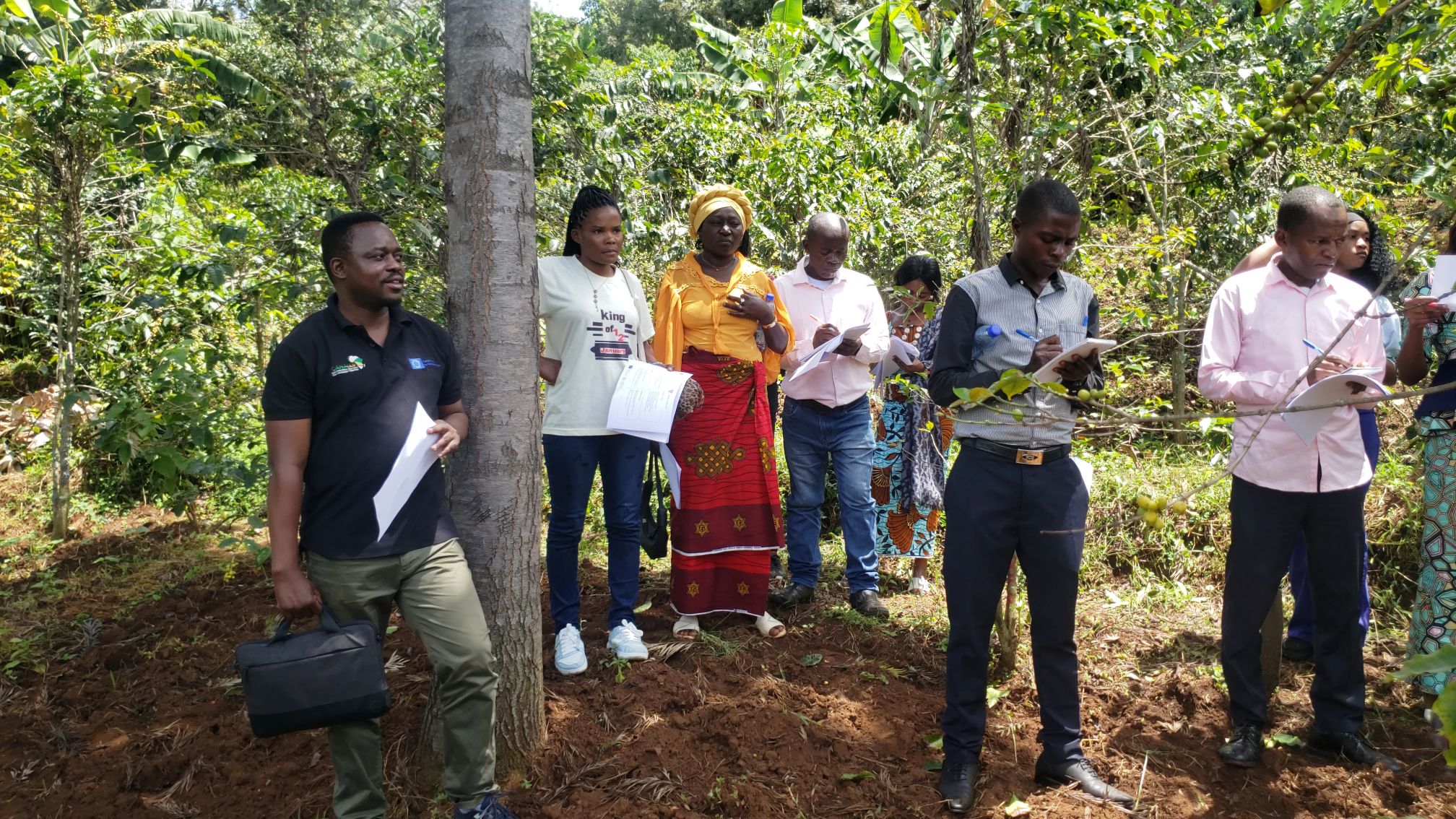
The Kabare Living Lab reached an important milestone on Thursday, April 2, 2026. More than 20 key stakeholders, including policy-makers, religious leaders, school headteachers and local farmers, gathered for an extensive discussion regarding the future of sustainable coffee farming in DRC, as part of the CANALLS project activities. The gathering aimed to gain a first-hand understanding of the agroecological practices (AEPs) implemented in the Kabare experimental fields.
BACK IN THE FIELD: A TOUR OF THE FOUR PLOTS
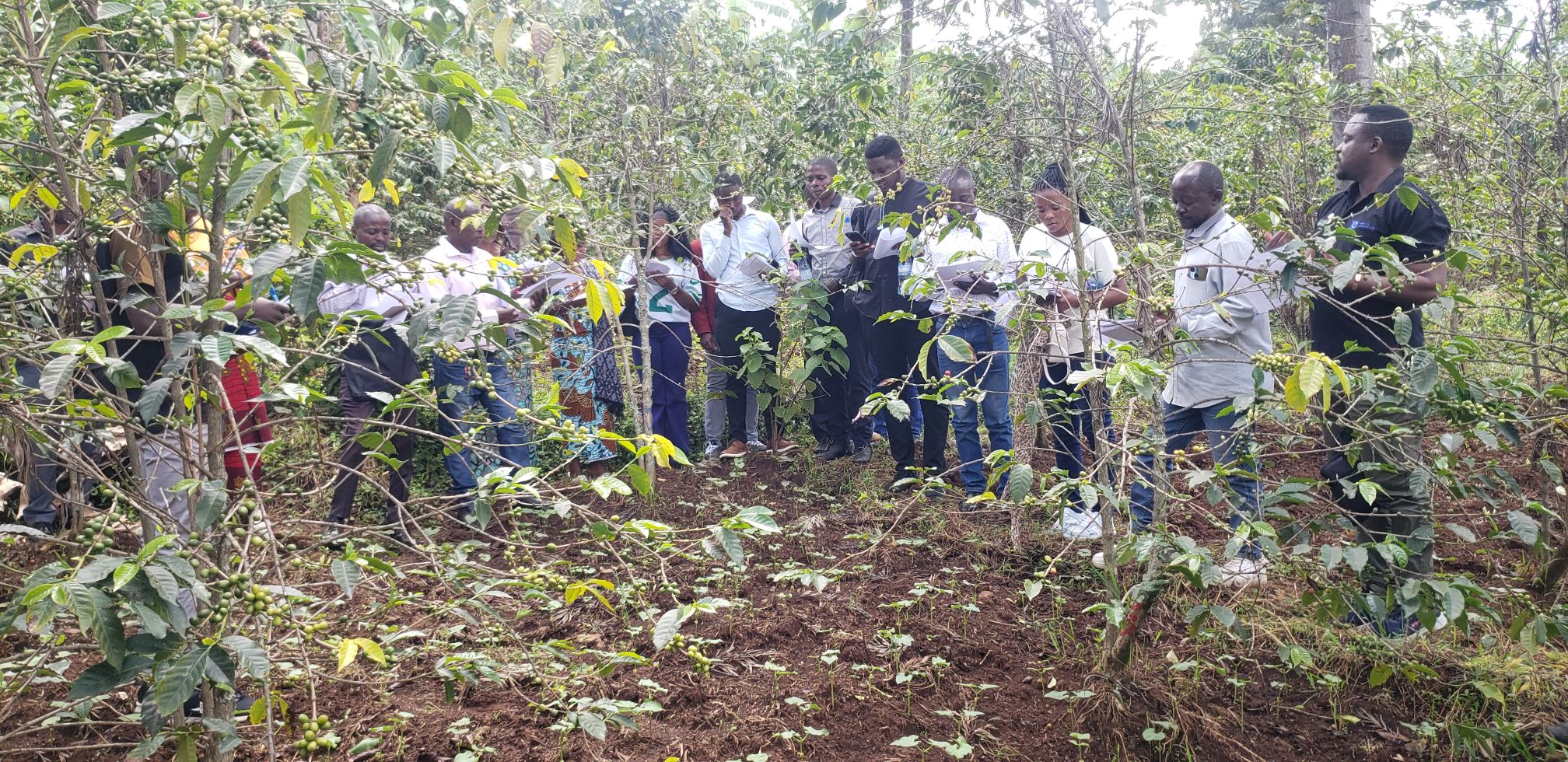
Participants experienced the substantial difference between conventional farming and the CANALLS innovations through an educational field tour among four distinct plots:
- The Control Plot: Bare soil and fragile coffee trees, highlighting the challenges of erosion.
- Natural Protection: The effectiveness of biopesticides against the coffee bark beetle.
- Soil Regeneration: The green carpet of Mucuna and the anti-erosion hedgerows protecting our hillsides.
- Organic Excellence: The strength of coffee trees boosted by GASD compost.
A local coffee grower said: “We had wealth in our hands, but we were burning it out of ignorance. Today, with compost and Mucuna, our coffee plants are thriving once again”
A MULTI-STAKEHOLDER ALLIANCE FOR ‘SCALING’
For the first time, a diverse group of new actors joined the agroecological movement:
- Churches & Schools: Have committed to transforming their green spaces into demonstration sites.
- Policy-makers: Have promised to incorporate these practices into local development agendas.
- Local cooperatives: Ready to roll out the “Complete Pack” (Plot 4) for certified high-quality coffee.
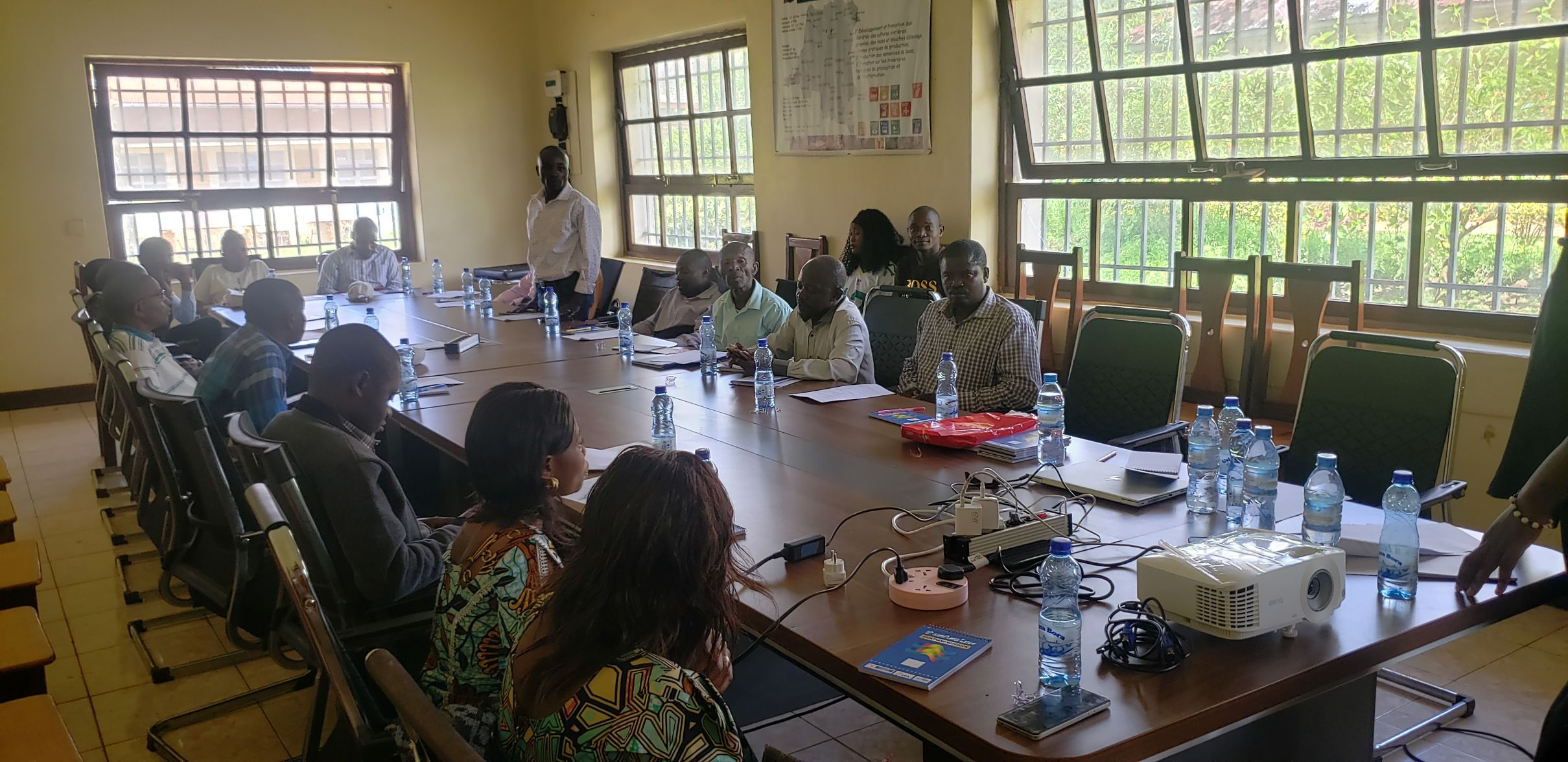
THE “PEARLS AND PUZZLES” WORKSHOP: KEY TAKEAWAYS
At the final symposium, the collective wisdom spoke:
- Rare Gem: The visual success of the combination of hedgerows, Mucuna and compost.
- The Challenge (Puzzle): Facilitating the transport of compost to landlocked fields.
- The Solution: Decentralising the production of bio-fertilisers as close as possible to the farmers.
NEXT STEPS
Each participant leaves with a mission: to share what they have learned. Schools, church communities and local associations will now become the new ambassadors for agroecology in Kabare.
Together, let’s make Kabare coffee a model of resilience and prosperity!